Large Echeveria: A Guide to Growing and Caring for These Gorgeous Succulents
If you're looking for a stunning succulent that's sure to make an impact in your garden or home, then look no further than the large echeveria. With its striking rosette-shaped foliage and beautiful blooms, this plant is a must-have for any succulent lover.
In this blog post, we'll take a closer look at what makes the large echeveria so special, how to grow and care for them, and some tips and tricks to help you get the most out of your plants.
Echeverias are a type of succulent that are native to Mexico and Central America. They are known for their rosette-shaped leaves and beautiful flowers, which can range from pink to red to orange and yellow. The large echeveria, as the name suggests, is a larger version of these plants, with leaves that can grow up to 10 inches in diameter.
Large echeverias are popular among succulent enthusiasts because of their impressive size and unique appearance. They come in a variety of colors and textures, ranging from smooth and shiny to rough and fuzzy. Some popular varieties include Echeveria 'Black Prince', 'Blue Sky', and 'Perle von Nurnberg'.
If you're thinking about adding a large echeveria to your collection, here's what you need to know.
1. Light Requirements
Large echeverias need plenty of bright light to thrive. Ideally, they should be placed in a south-facing window or under a grow light that provides 6-8 hours of direct sunlight per day. If you don't have access to enough natural light, you can supplement with a full-spectrum grow light to help your plants grow and bloom.
It's worth noting that too much direct sunlight can cause sunburn on the leaves of your echeveria, so it's important to provide some shade during the hottest part of the day. You can also acclimate your plants to brighter light gradually over time to prevent burning.
2. Watering
Like all succulents, large echeverias are drought-tolerant and prefer well-draining soil that allows excess water to escape quickly. When watering your plants, it's important to give them a thorough soak and then allow the soil to dry out completely before watering again. Overwatering can lead to root rot and other issues, so it's better to err on the side of underwatering.
In general, large echeverias need to be watered about once every two weeks during the growing season (spring and summer) and even less frequently during the dormant season (fall and winter).
3. Soil Requirements
The key to growing healthy echeverias is to use a well-draining soil mixture that prevents water from pooling around the roots. A good mix for large echeverias might include equal parts perlite, sand, and potting soil.
You can also add a slow-release fertilizer to your soil mix to help provide your plants with the nutrients they need to thrive. Just be sure to follow the instructions on the package carefully to avoid over-fertilizing.
4. Propagation
One of the great things about echeverias is that they're relatively easy to propagate from cuttings. To propagate your large echeveria, simply take a stem cutting and allow it to dry out for a few days until a callus forms. Then, plant the cutting in a well-draining soil mix and water sparingly until new growth appears.
You can also propagate your echeveria by removing offsets (baby plants that grow at the base of the parent plant) and potting them up separately.
5. Pests and Diseases
While echeverias are generally pretty hardy, they can be susceptible to a few common pests and diseases. Mealybugs, spider mites, and aphids are all potential problems, as are fungal infections like root rot.
To prevent these issues, it's important to provide your plants with good air circulation, avoid overwatering, and keep an eye out for any signs of pests or disease. If you do notice a problem, there are a variety of organic and chemical treatments available to help get rid of pests and protect your plants.
Large echeverias are a beautiful and unusual addition to any succulent collection. With their striking foliage and vibrant blooms, they're sure to turn heads and impress your friends and family. By following the tips and tricks outlined in this blog post, you can help your echeverias thrive and grow into healthy, happy plants that will bring joy for years to come.
Frequently Asked Questions
Q1: How big do large echeverias get?
A: Large echeverias can grow up to 10 inches in diameter, depending on the variety and growing conditions.
Q2: Do large echeverias bloom?
A: Yes, large echeverias can produce beautiful flowers in shades of pink, red, orange, and yellow.
Q3: How often should I water my large echeveria?
A: Large echeverias should be watered about once every two weeks during the growing season (spring and summer) and even less frequently during the dormant season (fall and winter).
Q4: Can I grow large echeverias indoors?
A: Yes, large echeverias can be grown indoors as long as they receive plenty of bright, indirect sunlight.
Q5: How do I know if my echeveria is getting too much sun?
A: If your echeveria's leaves to turn brown or develop a white, powdery coating, it may be getting too much direct sunlight.
Q6: Can I propagate my large echeveria from leaf cuttings?
A: No, large echeverias are not generally propagated from leaf cuttings. Instead, stem cuttings and offsets are the best options for propagation.
Q7: What kind of soil should I use for my large echeveria?
A: Large echeverias need a well-draining soil mix that allows excess water to escape quickly. A good mix might include equal parts perlite, sand, and potting soil.
Q8: Do echeverias need fertilizer?
A: Echeverias can benefit from a slow-release fertilizer added to their soil mix, but it's important to follow the instructions on the package carefully to avoid over-fertilizing.
Q9: How do I prevent pests and diseases in my echeverias?
A: To prevent pests and diseases, provide your plants with good air circulation, avoid overwatering, and keep an eye out for any signs of trouble. If you do notice a problem, there are a variety of organic and chemical treatments available to help get rid of pests and protect your plants.
Q10: Can I grow large echeverias in containers?
A: Yes, large echeverias can be grown in containers as long as they have enough room to spread out and the container has good drainage.
11 Large echeveria Images

17 Best Images About Echeverias On Pinterest Gardens Beautiful And

LARGE Echeveria Blue Curls Hybrid Hybrid Succulents Green Etsy

Succulent Plant Large Echeveria Ebony Rose A Gorgeous Deep Purple

My Echeveria Oliver 112016 Echeveria Succulents Plants

Pin On ECHEVERIA

Echeveria Elegans Mexican Snowball World Of Succulents Blooming

Large Echeveria Pick Set Of 3 Stemmed Floral Botanicals Plants

Massive Big Blue Echeveria Succulent By Succumom Olivrahomedecor

Echeveria Agavoides Red Edge Echeveria Succulents Plants
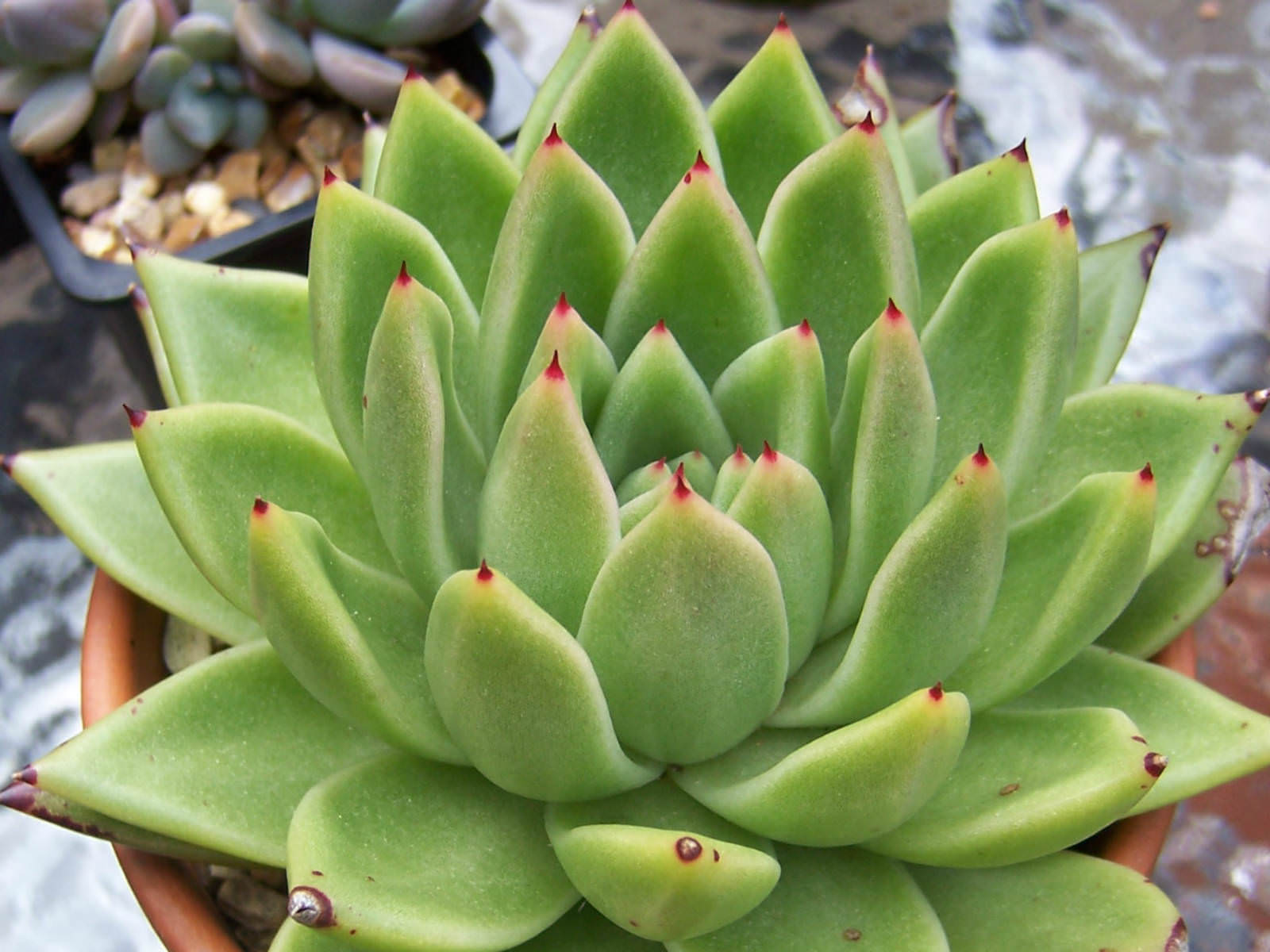
1000 Images About Echeveria On Pinterest Hens And Chicks More

Echeveria Golden Glow Echeveria Planting Succulents Succulents
Post a Comment for "Large Echeveria: A Guide to Growing and Caring for These Gorgeous Succulents"