Anthurium Gracilis: A Comprehensive Guide to the Exotic Beauty
If you're looking for an exotic and unique addition to your indoor plant collection, then look no further than the Anthurium Gracilis. This stunning tropical plant is known for its long-lasting blooms and attractive foliage, making it a favorite among plant enthusiasts.
Anthurium Gracilis is a species of flowering plant that belongs to the Araceae family. It's native to Central and South America, where it grows in rainforests and other tropical habitats. The plant has large, glossy leaves and produces long-lasting flowers with a distinctive spadix and spathe. The Anthurium Gracilis is also commonly known as the "Crystal Anthurium," due to the translucent quality of its leaves.
Section 1 - Origin and History
The Anthurium Gracilis was first discovered in 1849 by a French botanist named Edouard Andre. He found the plant growing in the rainforests of Panama and named it after the Greek words "anthos" (flower) and "oura" (tail), referring to the tail-like structure of the flower. Since then, the plant has become popular with horticulturists and plant collectors around the world.
Section 2 - Appearance and Characteristics
The Anthurium Gracilis is an epiphytic plant, meaning that it grows on other plants rather than in soil. It has large, glossy leaves that can reach up to 30 cm in length and a stem that can grow up to 50 cm tall. The plant produces long-lasting flowers that can last for several months. The flowers have a distinctive shape, with a spadix (a long, slender stem) that is covered in tiny flowers and surrounded by a colorful spathe (a modified leaf).
Section 3 - Care and Maintenance
Like all tropical plants, the Anthurium Gracilis requires warm and humid conditions to thrive. It should be kept in a well-lit area, but not in direct sunlight as this can damage the leaves. The plant should be watered regularly, but not over-watered as this can lead to root rot. It's important to keep the soil moist, but not waterlogged. Fertilizer can be applied during the growing season to encourage healthy growth.
Section 4 - Propagation
Anthurium Gracilis can be propagated by division or by stem cuttings. To propagate by division, simply separate the plant into smaller sections and plant each section in a new pot. To propagate by stem cuttings, take a cutting from the stem of the plant and place it in a pot with moist soil. Keep the soil moist and within a few weeks, new roots should to grow.
Section 5 - Pests and Diseases
The most common pests that can affect Anthurium Gracilis are spider mites, mealybugs, and scale insects. The best way to prevent these pests is to keep the plant clean and free from dust and debris. If pests do appear, they can be treated with insecticidal soap or horticultural oil. The plant can also be susceptible to fungal diseases such as root rot, which can be prevented by ensuring the soil is well-draining and not over-watered.
Section 6 - Toxicity
Like many other plants in the Araceae family, the Anthurium Gracilis is toxic if ingested. The plant contains calcium oxalate crystals, which can cause irritation and swelling if they come into contact with the skin or mucous membranes. If ingested, the crystals can cause severe irritation and swelling of the mouth and throat.
Section 7 - Symbolism and Meaning
Anthurium Gracilis is often associated with love, romance, and passion. In some cultures, the plant is given as a gift to express feelings of love and affection. The red variety of Anthurium Gracilis is particularly symbolic, as it represents love and desire.
Section 8 - Varieties
There are several varieties of Anthurium Gracilis available, including:
- Anthurium Gracilis var. rubrostriatum: This variety has green leaves with red veins and produces bright red flowers.
- Anthurium Gracilis var. scandens: This variety is a climbing plant that can grow up to 3 meters in length. It has small, heart-shaped leaves and produces small white flowers.
- Anthurium Gracilis var. clarinervium: This variety has large, velvety leaves with distinctive white veins and produces white flowers.
Section 9 - Uses
Anthurium Gracilis is mainly grown for ornamental purposes. It's a popular houseplant due to its attractive foliage and long-lasting flowers. The plant is also used in floral arrangements and as a cut flower in the florist industry.
Section 10 - Fun Facts
- The Anthurium Gracilis is also known as the "Crystal Anthurium" due to the translucent quality of its leaves.
- The plant is native to Central and South America, where it grows in rainforests and other tropical habitats.
- Anthurium Gracilis is toxic if ingested, as it contains calcium oxalate crystals that can cause irritation and swelling of the mouth and throat.
Section 11 - Where to Buy
Anthurium Gracilis can be purchased from many online retailers and garden centers. When purchasing, look for healthy plants with shiny, green leaves and no signs of pests or disease.
Section 12 - Price
The price of Anthurium Gracilis can vary depending on the size of the plant and where it's purchased. Small plants can cost around $15-$20, while larger specimens can cost upwards of $50.
Section 13 - Growing Season
Anthurium Gracilis is a year-round plant and can be grown indoors or outdoors in warm, tropical climates. The plant does best in temperatures between 65-75°F (18-24°C) and high humidity levels.
Section 14 - Repotting
Anthurium Gracilis should be repotted every 1-2 years to keep it healthy and encourage growth. When repotting, use a well-draining soil mix and a pot that's slightly larger than the current one.
Section 15 - Blooming Period
Anthurium Gracilis produces long-lasting flowers that can last for several months. The blooming period can vary depending on the growing conditions and care of the plant.
Anthurium Gracilis is a stunning tropical plant that's perfect for any indoor plant collection. With its attractive foliage and long-lasting blooms, it's sure to be a conversation er. By following the care instructions outlined above, you can ensure that your Anthurium Gracilis stays healthy and vibrant for years to come.
Frequently Asked Questions
Q1: Is Anthurium Gracilis easy to care for?
A1: Yes, Anthurium Gracilis is relatively easy to care for as long as it's kept in warm and humid conditions.
Q2: Does Anthurium Gracilis need fertilizer?
A2: Yes, fertilizer can be applied during the growing season to encourage healthy growth.
Q3: Can Anthurium Gracilis be grown outdoors?
A3: Yes, Anthurium Gracilis can be grown outdoors in warm, tropical climates.
Q4: Is Anthurium Gracilis toxic?
A4: Yes, Anthurium Gracilis is toxic if ingested.
Q5: How often should Anthurium Gracilis be watered?
A5: Anthurium Gracilis should be watered regularly, but not over-watered as this can lead to root rot.
Q6: Can Anthurium Gracilis be propagated?
A6: Yes, Anthurium Gracilis can be propagated by division or by stem cuttings.
Q7: Where can I buy Anthurium Gracilis?
A7: Anthurium Gracilis can be purchased from many online retailers and garden centers.
Q8: How much does Anthurium Gracilis cost?
A8: The price of Anthurium Gracilis can vary depending on the size of the plant and where it's purchased.
Q9: What is the blooming period for Anthurium Gracilis?
A9: Anthurium Gracilis produces long-lasting flowers that can last for several months.
Q10: How often should Anthurium Gracilis be repotted?
A10: Anthurium Gracilis should be repotted every 1-2 years to keep it healthy and encourage growth.
10 Anthurium gracilis Images

Anthurium Veitchii King Anthurium Anthurium Plant Plants Anthurium

Anthurium Hookeri Anthurium Plant Anthurium Tropical Garden Plants

Balkesir Iek Adl Kullancnn Anthurium Panosundaki Pin Saksda

Anthurium Luxurians X Papillilaminum By Martina DeLuca On FB Tanaman

Mammillaria Vetula Ssp Gracilis01 Planter Pots Cactus Pandan
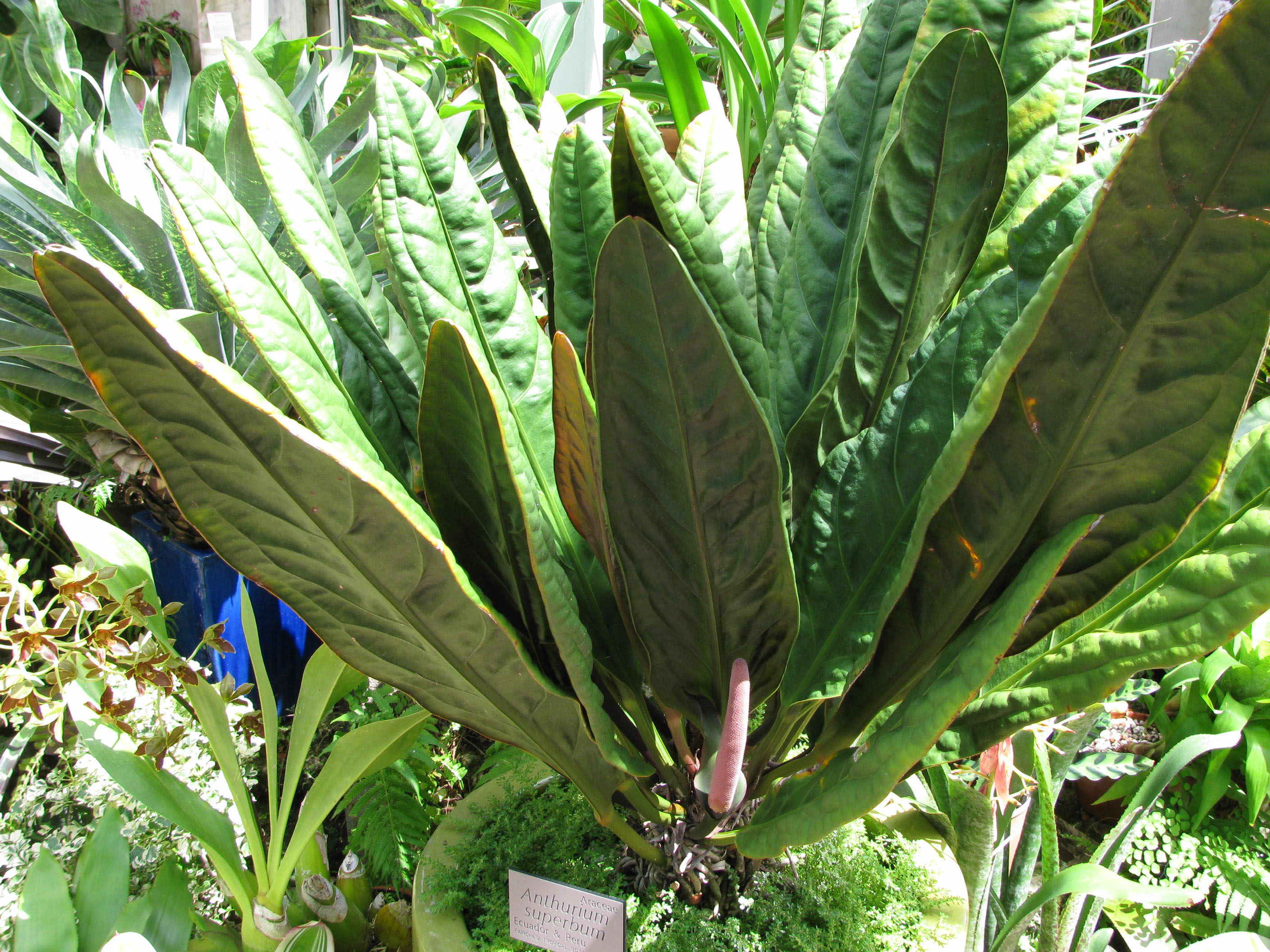
Anthurium Wendlingeri Rare Epiphytic Aroid Orchid Ally Tropical Plant

Chamaecyparis Obtusa Nana Gracilis 1 Tree Buy Online Order Yours Now

Nepenthes Ampullaria Carnivorous Plants Pitcher Plant Plants

Anthurium Gracile Anthurium Plants Terrarium

Anthurium Marmoratum Anthurium Inside Plants Plants
Post a Comment for "Anthurium Gracilis: A Comprehensive Guide to the Exotic Beauty"